
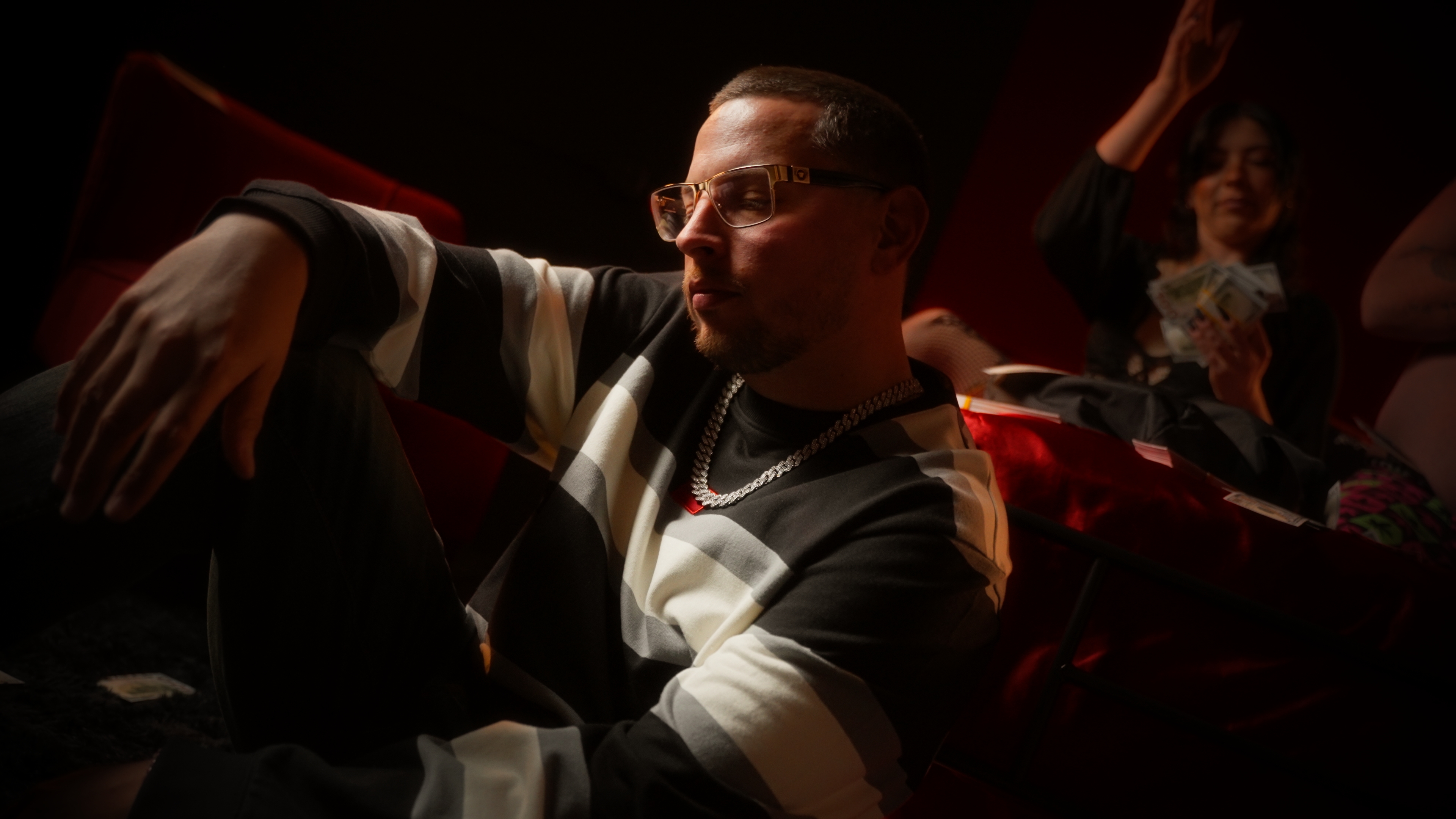
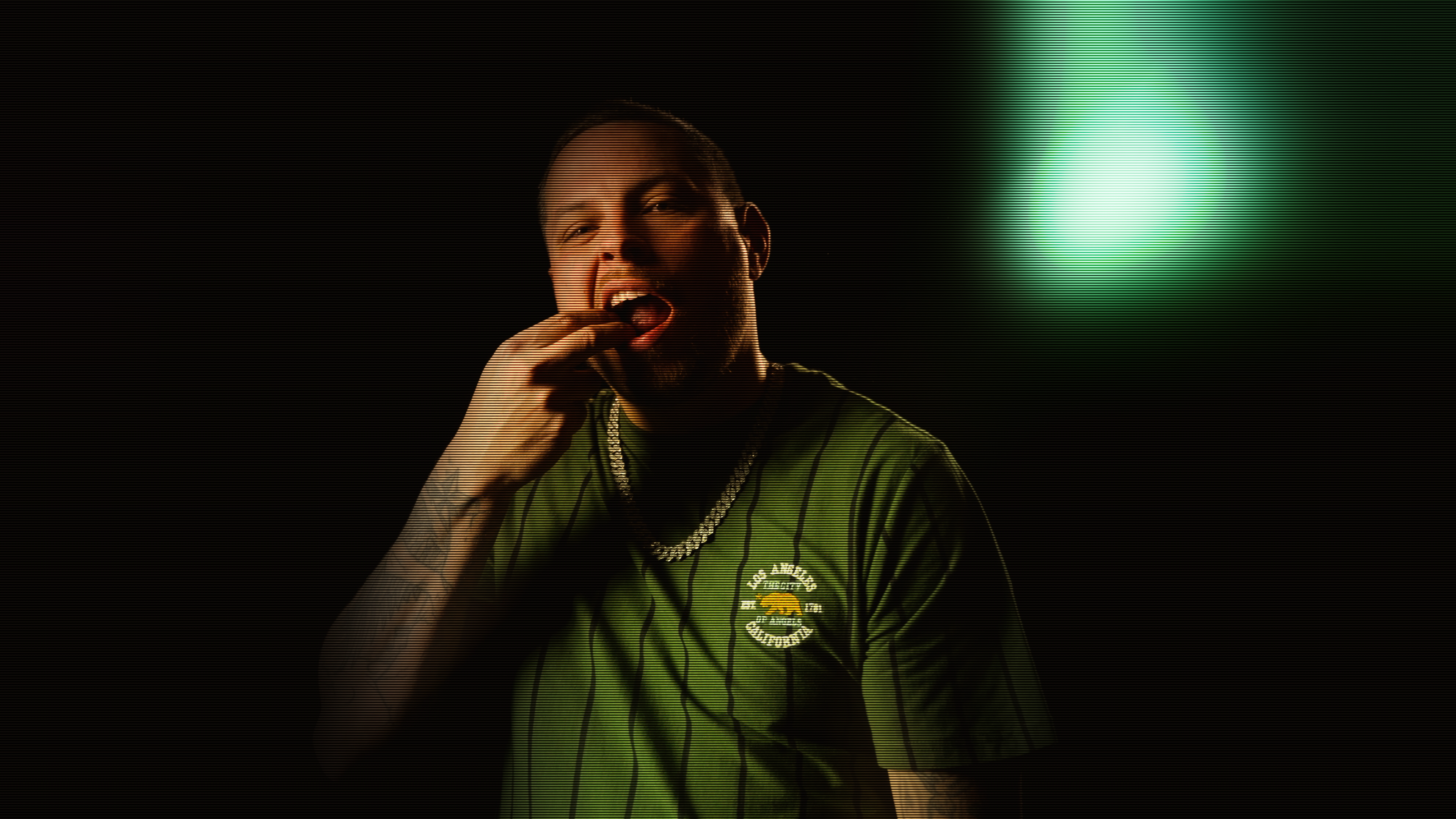
Yung Q — Official Artist Biography
Artist Profile
Full name: Frankie Quesada
Professional name: Yung Q
Born: December 19, 1989 — Greenwich, Connecticut
Based in: Denver, Colorado
Heritage: Colombian and Italian
Roles: Recording artist, songwriter, producer, audio engineer, author, entrepreneur, and United States Army veteran
Label: Founder and CEO of God Family Cash
Genre: Hip-hop, rap, melodic rap, and R&B
Latest album: The Quesada LP 3 — released July 2, 2026
Book: Against the Shadows
Professional Overview
Frankie Quesada, professionally known as Yung Q, is a Denver-based recording artist, producer, audio engineer, author, entrepreneur, and United States Army veteran. As the founder and CEO of God Family Cash, he has built an independent music company grounded in faith, family, ownership, loyalty, and perseverance.
His music reflects the experiences that shaped him: childhood abandonment, foster care, homelessness, military service, fatherhood, personal loss, and the determination to build something lasting from circumstances that could have destroyed him.
Known for combining emotionally direct storytelling with melodic records, aggressive rap, and polished production, Yung Q approaches music as both an artist and a businessman. His work extends beyond recording, often involving songwriting, production, engineering, visual direction, artist development, and label management.
Throughout his career, he has worked on records, performances, and creative projects connected with artists including Twista, Sean Kingston, Kirko Bangz, Sheek Louch, Conway the Machine, Nipsey Hussle, Bizarre of D12, King Iso, T-Pain, Chris Brown, Jason Derulo, Jadakiss, and Styles P.
In 2026, he released The Quesada LP 3, an ambitious independent album developed over approximately six years. Released July 2 through God Family Cash, the project surpassed 200,000 streams during its first two days and marked a defining moment in his career.
Early Life, Family, and Identity
Frankie Quesada was born December 19, 1989, in Greenwich, Connecticut, to a family of Colombian and Italian heritage. Much of his childhood was spent in South Florida, including Fort Lauderdale and the South Plantation area.
His father, Nelson Quesada, became separated from his everyday life when Frankie was four years old. Despite that separation, their relationship remained important, and his father continued to be a meaningful part of his life.
At five years old, Frankie’s mother took him to Georgia and abandoned him. Searching for her, he walked away from the house and encountered a man and woman who promised to help him find her. Instead, they drove him toward an isolated area.
During the drive, Frankie reached toward a dollar visible on the driver’s shirt, and the driver threw a bottle out of the vehicle. The incident drew the attention of law enforcement, leading police to stop the car and arrest the adults.
Afterward, officers took Frankie to a police station and then to a store, where he was allowed to choose a toy before entering foster care. He chose Raphael from the Teenage Mutant Ninja Turtles—a small moment of comfort that remained with him long after the fear of that day.
Foster care introduced another period of hardship. In the home of a foster mother he remembers as Mrs. Webb, Frankie experienced neglect, harsh treatment, and abuse. His grandparents, Jack Allen and Ligia Allen, eventually located him and became the central sources of stability in his life.
Their influence shaped his understanding of family, loyalty, creativity, and responsibility. His grandfather Jack was an artist who encouraged his creative instincts and helped him see art as a way to express pain, preserve memories, and build identity.
Jack died on August 16, 2007. His grandmother Ligia remained an important presence throughout much of Frankie’s adult life before passing late on December 19, 2024, with her official date of death recorded as December 20.
Frankie’s relationship with his mother, Carol Joy Bull, remained complicated until her death on July 22, 2009. The lasting impact of abandonment, grief, and unresolved family history would later become recurring themes in his music and writing.
Finding Direction Through Music
Music became one of Frankie’s earliest forms of escape and self-expression. Inspired by artists who transformed hardship into powerful storytelling, he began developing his own voice through writing, recording, and studying the creative process behind the records he admired.
At fourteen, he attempted to travel to California to pursue music and leave behind the instability surrounding him. Police were searching for him during the trip, and he ultimately got off the bus in Denver after his uncle contacted authorities.
Although the journey did not end in California, it created an early connection to Colorado, where Frankie would eventually establish his family, his music career, and God Family Cash.
During his teenage years, he continued developing his interest in recording, production, and the business side of the music industry. Those interests would later become central to his professional identity.
A Difficult Transition Into Adulthood
At eighteen, Frankie faced legal issues that threatened his future.
A misdemeanor case connected to a long-term teenage relationship was ultimately dismissed. Separately, he faced charges involving identity theft and breaking into a motor vehicle.
The two situations were different matters and should not be confused with one another.
On December 19, 2008, Frankie’s nineteenth birthday, the court approved a deferred legal agreement that gave him an opportunity to move forward under specific conditions. Military eligibility remained a separate matter determined through the Army’s own requirements and approval process.
That same day, he entered the United States Army Reserve.
Over the following years, Frankie worked to meet his obligations, rebuild his future, and prove that the mistakes and circumstances of his youth would not define the rest of his life.
Years later, inaccurate public information created additional challenges. Frankie has consistently maintained that he is not a registered sex offender, and the Andalusia Star-News published a retraction acknowledging that he had been mistakenly identified.
Rather than allowing misinformation to determine his future, he continued strengthening his career, defending his name, and building opportunities through God Family Cash.
United States Army Service
Frankie completed six total years of United States Army service, including two years in the Army Reserve and four years on active duty.
He entered the Army Reserve on December 19, 2008, and served in a part-time Reserve capacity through December 19, 2010.
On December 19, 2010, his twenty-first birthday, he transitioned into active-duty Army service as a 91P Artillery Mechanic.
His responsibilities required mechanical knowledge, precision, discipline, and the ability to perform under pressure. Maintaining and repairing complex artillery systems taught him to approach technical work with patience and accountability—qualities that would later carry over into audio engineering, music production, and business management.
In 2012, he passed an assessment that opened the path to Special Forces training. His military experiences included demanding assignments and missions connected to Iraq and Afghanistan.
On December 19, 2014, Frankie completed his active-duty service and received an honorable discharge.
His military timeline is:
December 19, 2008–December 19, 2010: United States Army Reserve.
December 19, 2010–December 19, 2014: Active-duty United States Army.
December 19, 2014: Honorably discharged after six total years of military service.
His identity as a veteran remains an important part of his life, including his involvement with veteran-focused community and housing initiatives in Colorado.
Education
After his military service, Frankie continued his education at the University of Northern Colorado.
His college studies included psychology, business, and audio engineering, reflecting both his interest in understanding human behavior and his commitment to developing the technical and entrepreneurial skills necessary to build a career in music.
Psychology helped deepen his understanding of trauma, motivation, relationships, and resilience. His business studies strengthened his approach to entrepreneurship and independent label management, while audio engineering supported his growth as a recording engineer, producer, and creative professional.
He graduated in 2018 while balancing fatherhood, music, and the development of God Family Cash.
Completing his education represented more than an academic milestone. It reinforced his belief that difficult beginnings do not have to determine where a person finishes.
Building a Music Career
Yung Q began seriously pursuing music as a teenager, developing his abilities as a writer, recording artist, producer, and engineer.
His first major independent project, Failure Meet Success, was released in 2012. The title reflected a recurring theme in his career: turning setbacks into motivation and using adversity as a foundation for growth.
Additional releases followed, including Life’s A Gamble, The Psychopath Vs. The Killa, God Forgives, I Don’t, and multiple God Family Cash projects.
As his catalog expanded, Yung Q built relationships with other artists, developed his production skills, and gained experience performing, directing visuals, and organizing independent releases.
His work gradually developed into a broader creative identity that combined personal storytelling, technical production, and business ownership.
Founding God Family Cash
In 2014, Yung Q founded God Family Cash, an independent record label and creative company built around the priorities represented in its name.
For Frankie, the name carries a specific meaning: faith provides direction, family gives purpose, and financial success becomes a tool for creating stability and opportunity.
As the founder and CEO, he oversees creative development, recording, engineering, production, artist relationships, release planning, branding, and the overall growth of the company.
God Family Cash has provided a platform for independent music, collaborations, visual projects, and artists working to create opportunities outside traditional industry systems.
Artists associated with the broader God Family Cash movement have included KG, Ty Killa, Trilla Man, Ziggy, and Leno The Great.
Although collaboration has always been part of the company’s creative environment, Frankie Quesada is the founder and CEO of God Family Cash.
Fatherhood and Family
Frankie is the father of three children: Frankie J, Zaylah, and Zayden.
Fatherhood has remained one of the most important influences on his life, his music, and his decisions as a businessman.
After experiencing abandonment and instability during childhood, he became determined to provide his children with the love, protection, and consistency he had often needed himself.
His family faced one of its most difficult challenges when his daughter Zaylah was diagnosed with juvenile dermatomyositis, a serious autoimmune condition requiring intensive medical treatment.
Throughout her illness, Frankie balanced fatherhood, work, travel, music, and the emotional demands of supporting his daughter’s recovery.
On December 19, 2024, Zaylah entered remission.
The milestone arrived on the same night Frankie’s grandmother Ligia passed away, making his birthday a moment defined by both relief and loss. Zaylah continued receiving monthly infusions following remission as part of her ongoing medical care.
These experiences strengthened the meaning behind God Family Cash and reinforced Frankie’s commitment to building a future centered on his children.
The Quesada LP Series
The Quesada LP, released in 2018, helped establish Yung Q’s identity as an artist capable of combining personal storytelling with professional collaborations and independent production.
The Quesada LP 2 continued that progression, expanding his sound and strengthening the foundation of God Family Cash.
The third installment, The Quesada LP 3, represented the most ambitious chapter in the series.
Developed over approximately six years, the album was shaped by personal setbacks, fatherhood, his daughter’s illness, family loss, and his continued commitment to music.
Released independently on July 2, 2026, the project features 24 tracks and includes collaborations and creative contributions connected with artists such as Twista, Sheek Louch, Conway the Machine, Nipsey Hussle, and Sean Kingston.
Production involved Kontrabandz and Yung Q, with Frankie also handling engineering responsibilities. Songwriting contributions included Frankie Quesada and Zachary Maxey of The Crushboys.
The album surpassed 200,000 streams during its first two days, reflecting the audience he had built through years of independent releases, performances, collaborations, and consistent creative work.
For Yung Q, The Quesada LP 3 represents more than another release. It is a statement about perseverance, creative ownership, and refusing to allow personal hardship to silence his voice.
Against the Shadows
Frankie Quesada is also the author of Against the Shadows, a memoir exploring the experiences behind his life and career.
The book follows his journey through childhood abandonment, kidnapping, foster care, homelessness, military service, fatherhood, legal challenges, music, family loss, and the determination to build a stable future.
Written as a deeply personal account of survival and resilience, Against the Shadows connects the experiences that shaped Frankie as a son, father, veteran, entrepreneur, and artist.
The story also explores his daughter’s illness, the loss of his grandmother, the creation of God Family Cash, and the process of building a home and a meaningful future for his family.
At its core, Against the Shadows is about refusing to let a painful beginning determine the rest of the story.
Selected Discography
-
Failure Meet Success — 2012
-
Life’s A Gamble — 2013
-
The Psychopath Vs. The Killa — 2014
-
God Forgives, I Don’t — 2015
-
Unreleased Mixtape — 2016
-
God Family Cash — 2017
-
God Family Cash, Vol. 2 — 2018
-
The Quesada LP — 2018
-
The Fallen Angel — 2019
-
Angels and Demons — 2020
-
The Quesada LP 2 — 2021
-
Unreleased Mixtape, Vol. 2 — 2022
-
God Family Cash, Vol. 3 — 2023
-
Calm Down, I Got This — 2024
-
Rhythm & Real Talk — 2025
-
The Quesada LP 3 — 2026
Continuing the Mission
Today, Yung Q continues building God Family Cash while developing new music, visual projects, business opportunities, and creative partnerships.
His career reflects the determination of an artist who understands both the cost of survival and the responsibility that comes with creating opportunities for others.
As a father, veteran, author, producer, and independent label founder, Frankie Quesada remains committed to turning real experiences into meaningful work.
For Yung Q, success is not simply measured in streams, sales, or recognition. It is measured by the ability to protect his family, maintain creative ownership, honor the people who helped shape him, and prove that even the darkest beginnings do not have to decide how the story ends.